
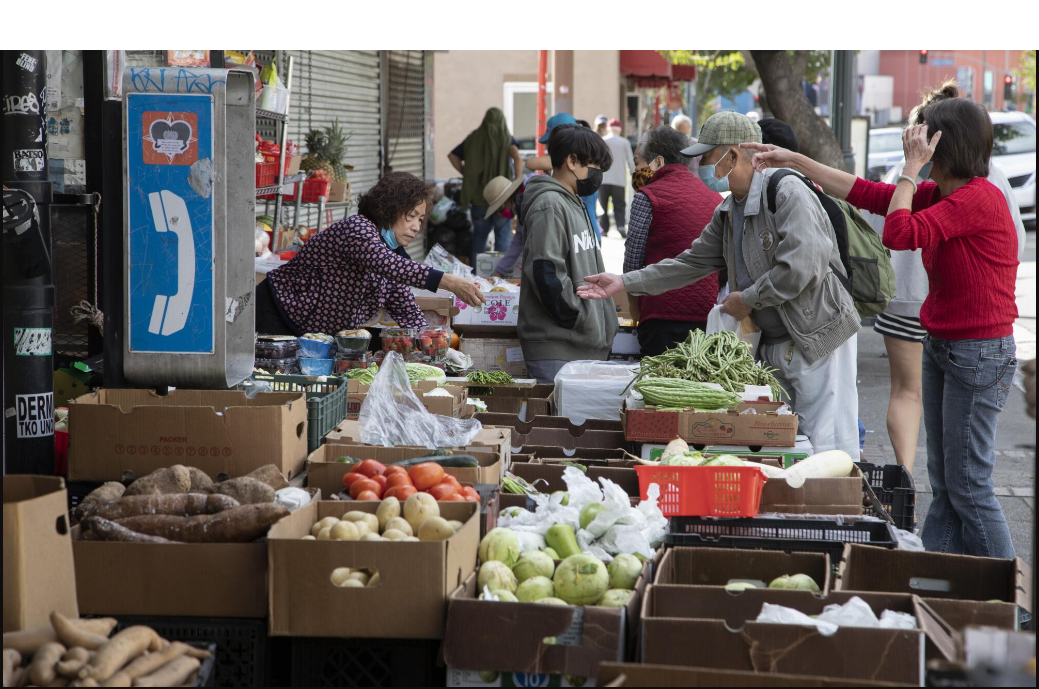
Chinatown hawker leftovers consumption has become a topic of increasing interest in urban food culture, environmental sustainability, and public health. In bustling city districts known for vibrant food scenes like Chinatown in Singapore, San Francisco, or Kuala Lumpur, the tradition of eating or repurposing leftover food from hawker stalls raises complex questions. This article explores what this practice entails, why it matters, how it connects with food waste and sustainability, and the health and ethical issues associated with it. Understanding these facets helps diners, community members, and policymakers make informed decisions.
What Does Chinatown Hawker Leftovers Consumption Mean?
At its core, chinatown hawker leftovers consumption refers to the act of eating, sharing, repurposing, or redistributing food that remains unsold or unfinished from hawker centers. Hawker centers are open-air food courts featuring affordable dishes prepared fresh daily by independent vendors. Because of fluctuating demand and generous portions, a significant amount of food often remains at the end of the day. Rather than discarding this food, some community members engage in leftover consumption as a way to reduce waste or stretch resources.
For latest updates visit techloggy.com
The Cultural Roots of Leftover Consumption
The cultural significance of leftover food habits in Chinatown areas is tied to deeper values of frugality, respect for food, and community sharing. In many Asian cultures, the notion of not wasting food is deeply embedded, reflecting traditions of resourcefulness passed down through generations. Some individuals view eating leftover food as a way to honor those values while combating unnecessary waste.
However, cultural perceptions vary. For some people, consuming leftovers—especially food left on tables or in public spaces—carries a stigma tied to hygiene concerns or social norms about dining etiquette.
Why Chinatown Hawker Leftovers Consumption Is a Topic of Concern
Food Waste and Environmental Impact
Food waste is a critical environmental issue worldwide, and hawker centers contribute significantly to it. In densely populated Chinatown districts, hawkers may discard 20-30% of daily food prepared if it remains unsold or uneaten, adding to landfills and producing methane—a potent greenhouse gas.
Economic Implications
For hawker stall operators who operate on tight profit margins, unsold food represents a financial loss. At the same time, leftover consumption or redistribution can provide affordable food options for low-income individuals or community groups. Discounted leftover food sales and redistribution programs can help vendors recoup costs and support local residents.
Ethical and Social Dimensions
The practice invites discussion on dignity, food justice, and equitable access. While reducing waste is a noble goal, simply allowing people to pick up leftover food from tables may raise concerns about public health and human dignity. Many advocates argue that structured redistribution—such as partnering with food banks or charities—is a more ethical and safe way of addressing food surplus.
Health and Safety Considerations
Food safety is a central concern in chinatown hawker leftovers consumption. Perishable foods left at room temperature can quickly enter the “danger zone” where bacteria multiply, increasing the risk of foodborne illness. This risk is especially high in warm, humid environments if leftovers are not stored or reheated correctly.
Health authorities in many cities have strict hygiene standards for food preparation and storage, and these often do not extend to leftovers once food is discarded or left exposed. Some leftover consumption practices may conflict with public health guidelines, underscoring the importance of caution and proper handling.
Sustainable Approaches to Managing Leftovers
Rather than focusing solely on consumption of leftovers directly from tables or bins, many communities are adopting structured strategies to reduce food waste:
Food Redistribution Programs: Partnerships between hawker centers and organizations like food banks help collect unsold food safely and distribute it to those in need before spoilage occurs.
Technology Solutions: Mobile apps list surplus hawker food at discounted prices, thereby reducing waste and connecting vendors with consumers looking for affordable meals.
Community Education: Workshops and awareness campaigns encourage mindful ordering, portion control, and proper leftovers storage to minimize unnecessary waste.
Best Practices for Safe Leftover Handling
For individuals who choose to take leftover hawker food home or eat discounted surplus food:
- Inspect freshness: Look for signs of spoilage such as off smells or odd textures.
- Store immediately: Use airtight containers and refrigerate within two hours of food cooling.
- Reheat properly: Ensure leftovers reach internal temperatures that minimize bacterial risk.
These precautions help protect against foodborne illnesses and make leftover consumption safer when done responsibly.
Conclusion
Chinatown hawker leftovers consumption sits at the intersection of culture, sustainability, economics, and public health. While leftover food can be a resource rather than waste, ensuring this practice is done safely and ethically remains crucial. Through structured redistribution efforts, technology solutions, and community engagement, hawker centers can transform surplus food into opportunities to support the environment and local residents. Balancing food safety with sustainability goals will help shape a more responsible and resilient urban food culture for all.
Frequently Asked Questions
- What is chinatown hawker leftovers consumption?
It refers to eating, sharing, or repurposing leftover food from hawker centers to reduce waste or provide affordable meals. - Are there health risks in consuming hawker leftovers?
Yes. Leftovers left at room temperature may host harmful bacteria and pose foodborne illness risks without proper storage and handling. - Is it legal to take leftovers from hawker tables?
Laws vary by location, but many cities discourage scavenging leftovers due to hygiene and public health guidelines. Structured redistribution is often preferred. - How can hawker centers reduce food waste?
Through mindful ordering, smaller portions, food donation programs, and surplus food apps that connect vendors with consumers. - Can leftover food still be safe and tasty?
Yes, if stored properly, cooled quickly, and reheated to the correct temperature before consumption.
Leave a Reply